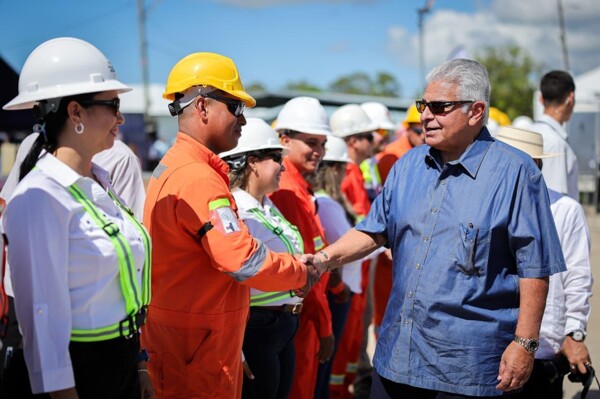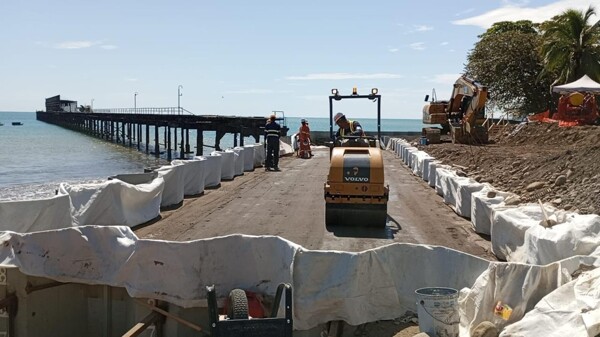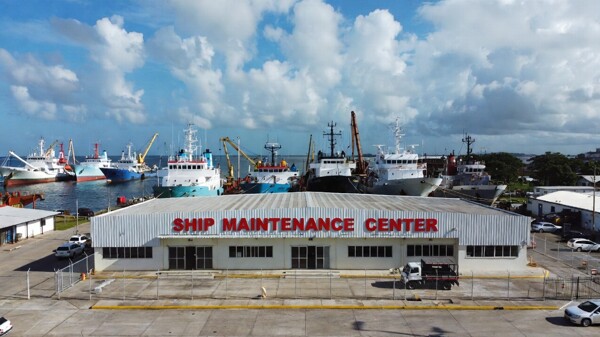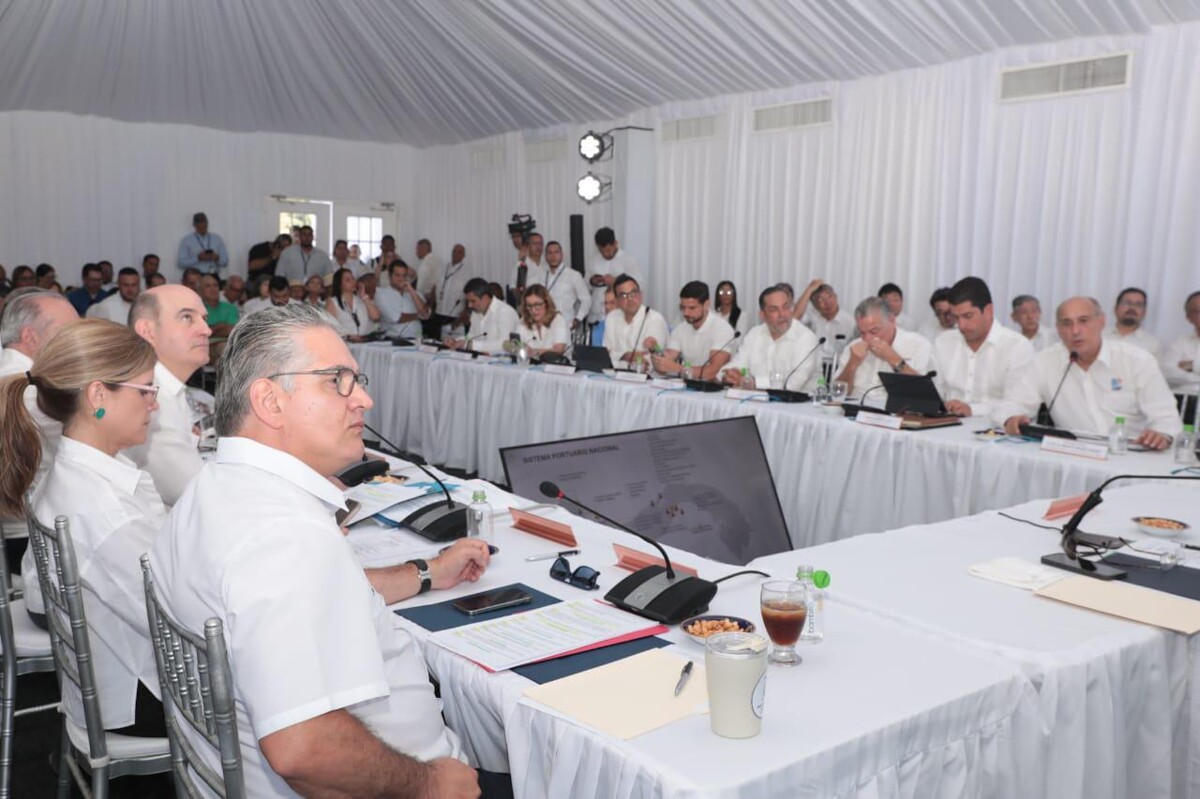
Within the framework of the fifth session of the Logistics Cabinet, held this Thursday in Puerto Armuelles, Chiriquí province, President of the Republic José Raúl Mulino was presented with a report on the progress of the National Logistics Costs Study. This tool will measure the performance of companies in the sector in Panama and refine the national strategy in this regard.
The study is currently being carried out with the joint efforts of the National Secretariat of Science, Technology, and Innovation (Senacyt) and Georgia Tech Panama, with the support of the Panama Business Logistics Council (COEL). Jorge Barnett, director of Georgia Tech Panama, explained that the study will identify gaps, opportunities, and best practices in terms of efficiency, costs, sustainability, and digitalization.
From this, reliable and comparable information will be obtained to serve as a basis for designing public policies and business strategies aimed at strengthening the country's logistics competitiveness. In turn, Eduardo Ortega Barría, national secretary of Senacyt, added that among the indicators to be obtained from the study are: logistics costs as a percentage of sales, the main regions of origin and destination for cargo movement, the average age of the transport fleet, the most demanded types of logistics services by users, average cost per trip, environmental practices applied by logistics service users, average times at critical nodes by type of operation (import and export), etc.
The National Logistics Costs Study involves the methodological and conceptual design of two surveys: one directed at logistics service providers (carriers, operators, freight agents, and integrators), and another survey of logistics service users (cargo generators, manufacturing companies, distributors and wholesalers, retailers), which will be applied nationwide.
It was also stated that it is crucial that the measurements and projections of the logistics sector include the efforts and investments in energy that the country is promoting, mainly the electrical interconnection project with Colombia and an upcoming pipeline planned by the Panama Canal Authority.
The project began in August 2025 with the preparation of the State of the Art of Logistics Costs, to then develop the measurement instrument. It is then projected to be launched to stakeholders, the instrument will be applied, and the analysis of the information and the development of a dynamic “dashboard” that will allow visualizing the results of each survey and by cluster will continue, until the subsequent publication of results in September 2026.
President Mulino was clear in stating that this effort must include coordination and effort from other State entities. Currently, the validation of the instrument for the subsequent development of the “online” tool is being carried out, in order to continue with the digital test application with the focus group to obtain feedback from stakeholders.